How to Match a Tractor Truck to Your Semi-Trailer Type
Point 1: Fifth Wheel Pin Size
The most common mismatch is at the coupling. Semi-trailers use a kingpin of one of two standard sizes: 50# (2.0 inch / 50 mm) or 90# (3.5 inch / 90 mm). The tractor's fifth wheel must match the trailer's kingpin — fitting one to the other is not possible without changing components.
JOST fifth wheels in either size are available on both sides, so the mismatch is avoidable — but it must be specified, not assumed. If you already own trailers, confirm their kingpin size before ordering. If buying both, choose one size and standardise so any tractor can couple to any trailer.
Point 2: Tractive Capacity — Power Against Trailer Weight
A tractor must pull the loaded trailer within legal limits without working permanently at its limit. Three numbers govern this:
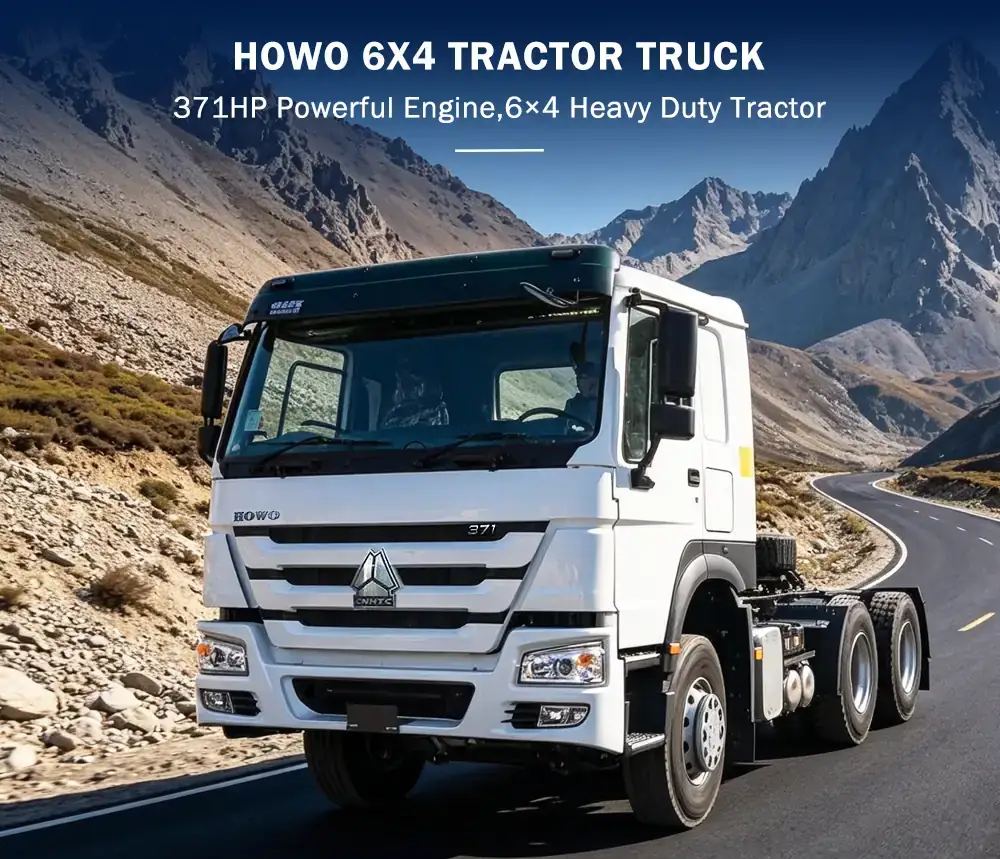
Gross Combination Weight (GCW) — combined weight of tractor, trailer, and cargo. HOWO 6×4 tractor heads are commonly rated for 40,000–60,000 kg. The trailer's loaded weight must fall within this.
Engine output — HOWO tractor heads range from 371hp to 430hp (including TX 430hp, 420hp, and NX 380hp models). Higher ratings suit heavier trailers and sustained gradients.
Drive axle ratio — determines whether the truck is optimised for highway cruising or for heavy pulling at low speed. Match it to your trailer weight and route.
Match the tractor to the heaviest trailer you will realistically pull on its hardest route, with a margin. A tractor specified exactly at its limit works at maximum stress for its whole life, costing you in fuel and component life.
Point 3: Drive Configuration — Traction Against Terrain
6×4 — four driven wheels across tandem rear axles. The standard choice for heavy combinations, unpaved site access, and any operation where traction under load is uncertain. Suits lowbed, dump, tank, and heavy flatbed work.
4×2 — two driven wheels. Lighter and cheaper to buy and run; suited to paved-road container and flatbed work with moderate loads.
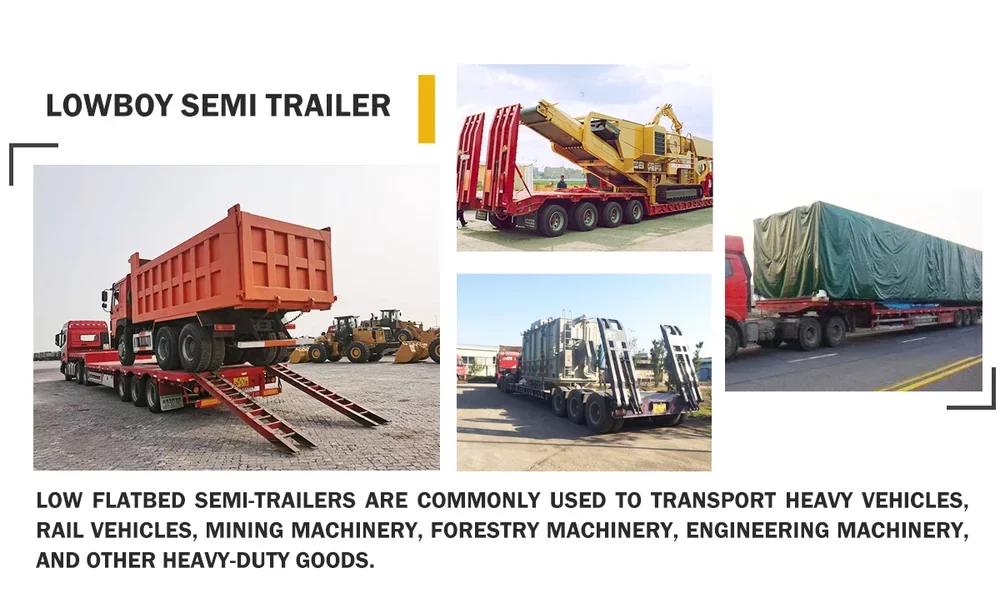
The trailer type often signals the answer. Pulling a lowbed loaded with an excavator, or a dump trailer filled with aggregate on an unpaved site road, demands the traction and stability of a 6×4. Running 40ft containers between a port and an inland depot is the duty a 4×2 is built for.
Point 4: Power Take-Off — Required for Dump Trailers
This is the requirement that catches buyers out most often. A dump trailer raises its body with a hydraulic cylinder, and on many designs that cylinder is driven by a pump powered by the tractor's engine through a power take-off (PTO). A tractor without a PTO cannot operate the trailer's tipping system.
If your fleet includes a dump trailer — such as the heavy-duty dump trailer rated for 30 to 80 tons with front or middle hydraulic lifting — confirm before ordering that the tractor has a suitable PTO. Trailers with self-contained power packs do not need this, but tractors intended to pull tipping trailers routinely do.
Point 5: Air and Electrical Coupling
Every combination connects through two sets of lines:
Air lines — service and emergency air supplies that operate the trailer's brakes. The tractor's air supply must be sufficient for the trailer's brake chamber volume, particularly with multi-axle trailers.
Electrical lines — carries brake lights, indicators, and the ABS/EBS signal. Trailer brake systems specified with ABS — as the dump and tank trailer ranges are — require a tractor with a compatible connector and current supply.
The failure mode is subtle: a combination may couple and drive, yet have an ABS fault or trailer brakes not receiving correct air supply. On a loaded combination, braking is a safety matter. Confirm air and electrical compatibility — and that trailer dual-line pneumatic braking with ABS is supported by the tractor — before purchase.
Point 6: Fifth Wheel Height and Landing Gear
The fifth wheel's height determines the trailer's ride height when coupled. If set too high or too low, the trailer runs nose-up or nose-down, meaning the deck is not level (a problem for container loading to fixed height) and the landing gear may be hard to crank clear.
This is normally correctable — fifth wheel height is adjustable, and sliding fifth wheels allow the coupling point to move forward or back to distribute weight between axles. But check it rather than discovering it at first coupling. Tell the supplier the trailer's coupling height and confirm the fifth wheel can be set to match.
Matching by Trailer Type — Quick Reference
| Trailer Type | Key Tractor Requirement |
|---|---|
| Flatbed / container chassis (20ft, 40ft, 45ft) | 4×2 or 6×4 by terrain; adequate GCW; match kingpin size |
| Lowbed / lowboy (3–4 axle) | 6×4 for traction and GCW; higher power for heavy machinery; kingpin match |
| Dump trailer | Power take-off required; 6×4 for site terrain; GCW matched to 30–80 ton capacity |
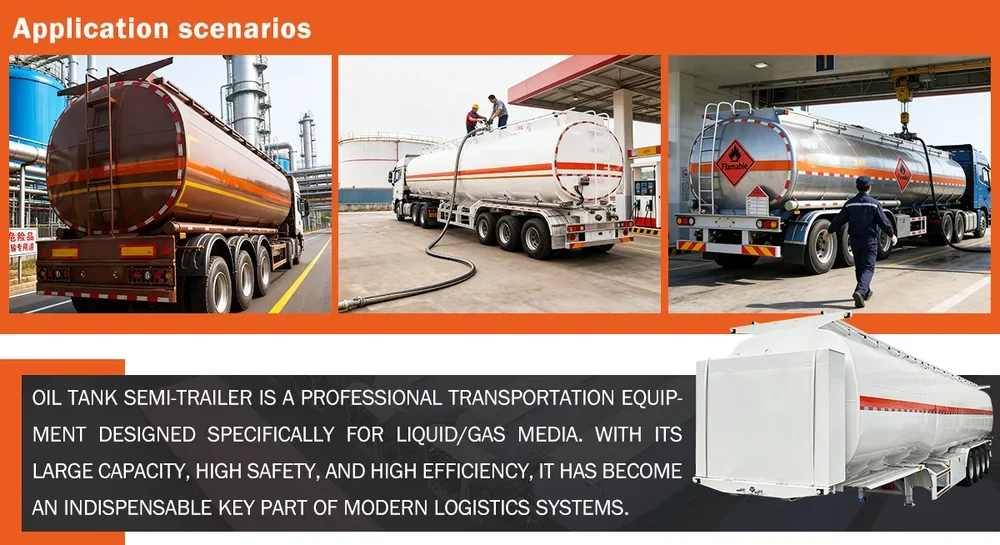
| Fuel tank / tank semi-trailer | 6×4 for stability and braking with high-CG loads; brake compatibility; kingpin match |
| Bulk cement / V-shape trailer | 6×4 for loaded weight; GCW and power matched to full load |
| Fence / box trailer | Configuration by terrain and route; GCW matched to loaded weight |
Pre-Purchase Confirmation List
Trailer kingpin size — 50# (2.0") or 90# (3.5") — and matching fifth wheel
Tractor GCW rating versus the trailer's maximum loaded weight
Engine power rating and drive axle ratio matched to trailer weight and gradients
Drive configuration — 6×4 or 4×2 — matched to terrain
Power take-off fitted if the trailer requires tractor-powered hydraulics
Air coupling standard and air supply capacity for the trailer's brake system
Electrical connector type and ABS/EBS compatibility
Fifth wheel height and sliding adjustment matched to trailer coupling height
Fuel tank capacity (400L / 600L) matched to route length
Left-hand-drive or right-hand-drive configuration
Legal gross weight and axle weight limits in your market
Conclusion
Matching a tractor to a semi-trailer comes down to six compatibility points: fifth wheel pin size, tractive capacity against loaded trailer weight, drive configuration against terrain, the power take-off requirement for hydraulically driven trailers, the air and electrical couplings, and fifth wheel height. Get these right and the combination works as designed for years. Get one wrong — particularly the kingpin size or a missing PTO — and the fleet is grounded until it is corrected. Confirm each point before ordering, and standardise where you can, so any tractor can couple to any trailer.